
Strain, movement and dynamic response across the structure
Strain, displacement, tilt and vibration data from beams, supports and other key elements, helping bridge owners review how the structure responds to traffic, wind and temperature.
What TestoGauge can monitor
Bridges respond every day to traffic, wind, temperature and occasionally seismic activity. Monitoring records that response so engineers can separate everyday behaviour from longer-term change.
- Key structural elements: strain under different load conditions.
- Beams and supports: displacement, tilt and subsidence.
- Dynamic response: acceleration and vibration from traffic, wind and seismic activity.
- Materials: temperature-related movement, moisture in concrete and steel, and corrosion-related changes in metal components.
- Cracking: crack formation and growth, and acoustic emission associated with damage.
Monitoring data can sit alongside inspection findings in the same asset record.
Relevant instrumentation
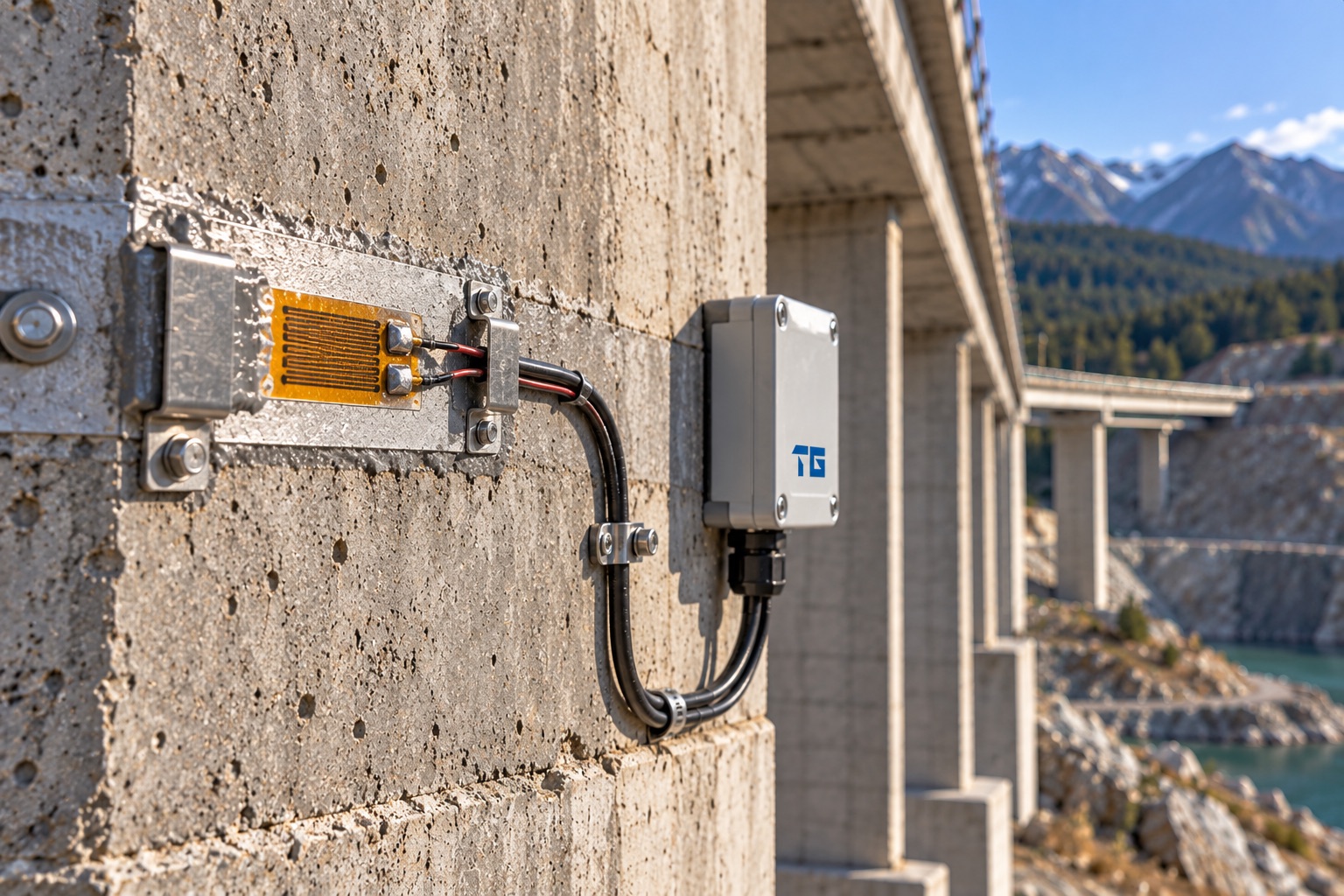
- Strain gauges: strain in key structural elements under load.
- Displacement and laser sensors: movement of beams and supports, with laser sensors for precise displacement.
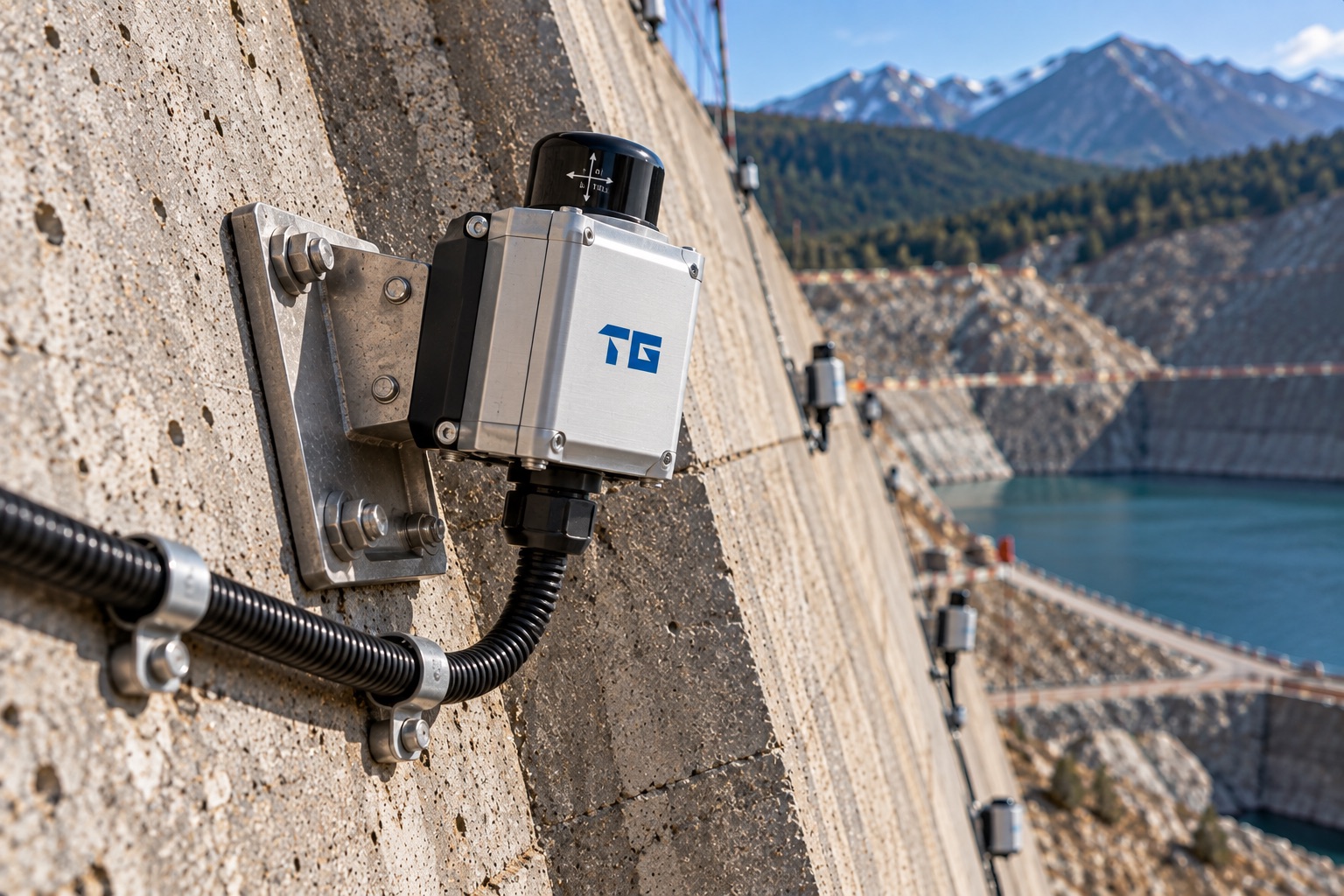
- Tiltmeters: tilting and subsidence of the structure.
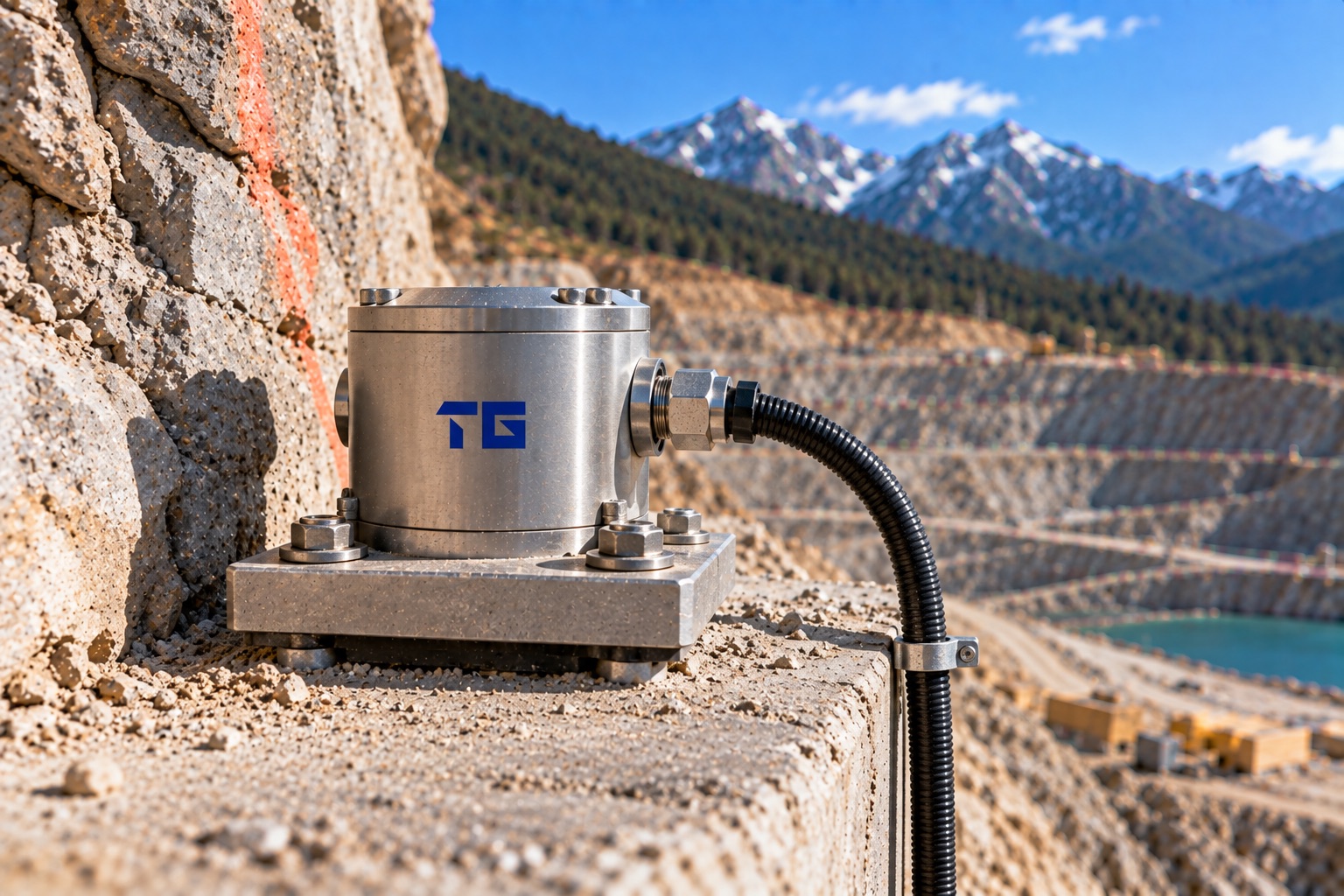
- Accelerometers and vibration sensors: dynamic loads from traffic, wind and seismic activity.
- Temperature and humidity sensors: thermal expansion and moisture in concrete and steel.
- Crack and acoustic emission sensors: crack growth and associated high-frequency signals.
- Pressure sensors: pressure on bridge components and foundations.
- Electromagnetic sensors: magnetic field changes associated with corrosion in metal components.
- Gas and light sensors: hazardous-gas presence and ambient light or bridge-lighting conditions, where required.
From the sensor to engineering review
-
01
Instrument
Strain gauges, displacement sensors, tiltmeters and accelerometers on key structural elements.
-
02
Connect
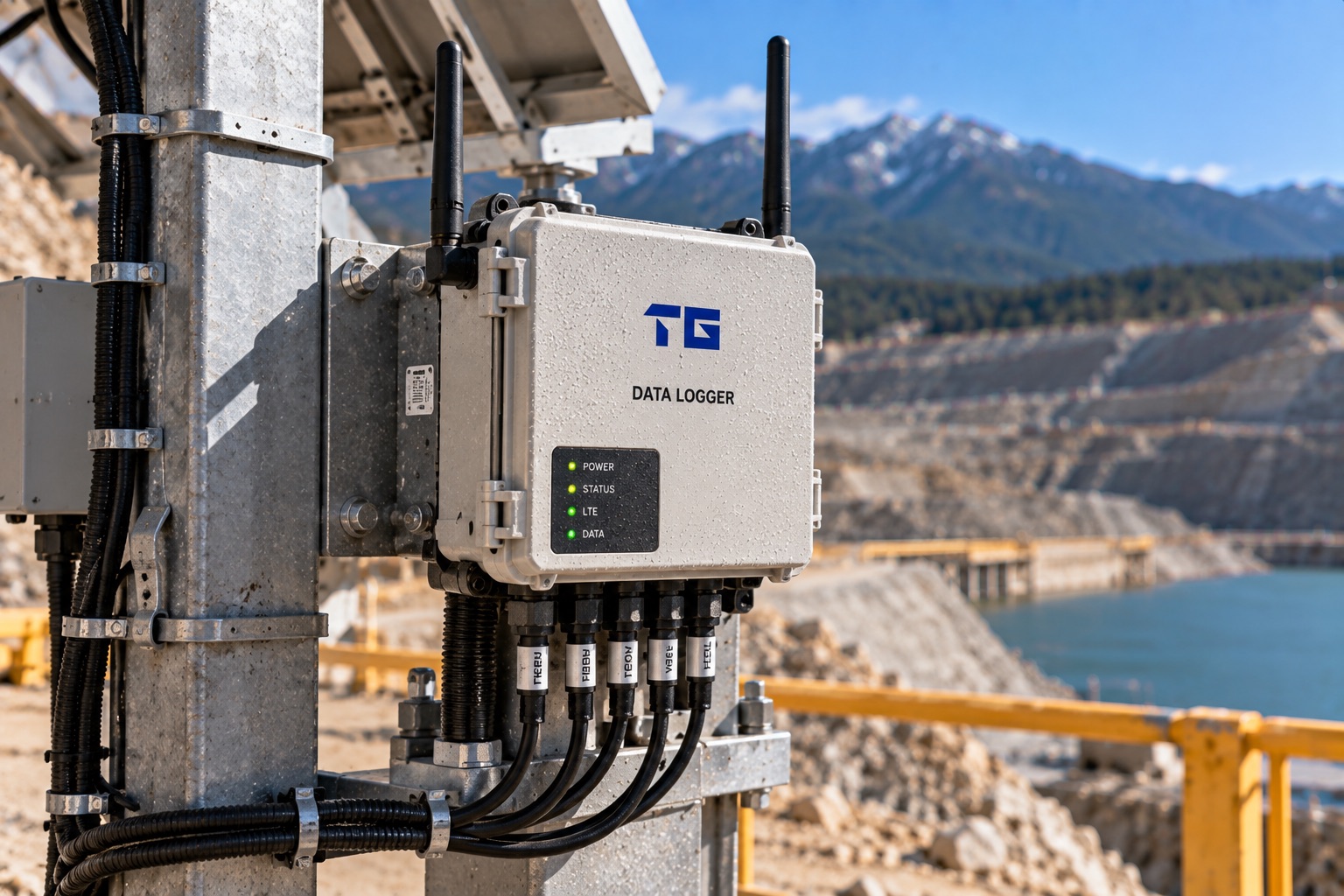
Supported instruments can use wired, wireless or fiber-optic configurations, depending on the instrument, monitoring requirements and site conditions.
-
03
Review & alert
Static and dynamic readings are visualized together, with temperature recorded for context.
-
04
Digital twin
Sensor data can be incorporated into digital-twin views to help teams review bridge conditions and changes over time.
Related services
Related products
Projects in this sector
Tell us about your asset and the monitoring objectives, and we can discuss relevant experience during scoping.