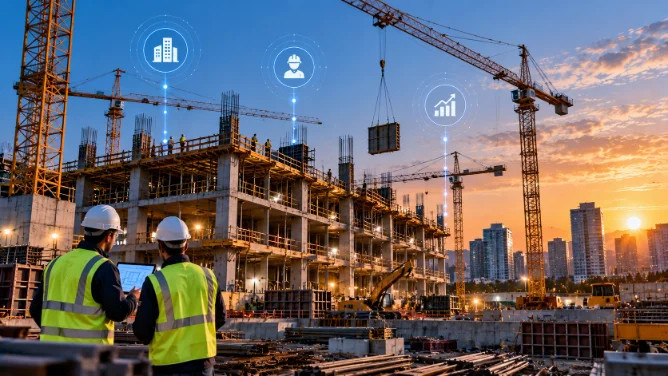
Structural and foundation monitoring as the building rises
Strain in beams and columns, foundation settlement, pore-water pressure and vibration, giving engineers data on how the structure and surrounding ground behave.
What TestoGauge can monitor
A building’s structure and foundations respond to loads, ground conditions, wind and nearby activity. Instrumentation helps engineers review how structural elements and the surrounding ground behave as construction progresses.
- Structural elements: strain in beams, columns and foundations, plus displacement, tilt and cracking.
- Foundations: settlement, pressure from surrounding soil and water, and pore-water pressure.
- Surrounding ground: movement and deformation of soil or rock.
- Dynamic loads: vibration from traffic, wind, seismic activity and heavy machinery.
- Building systems: water flow where building-system monitoring is required.
Relevant instrumentation
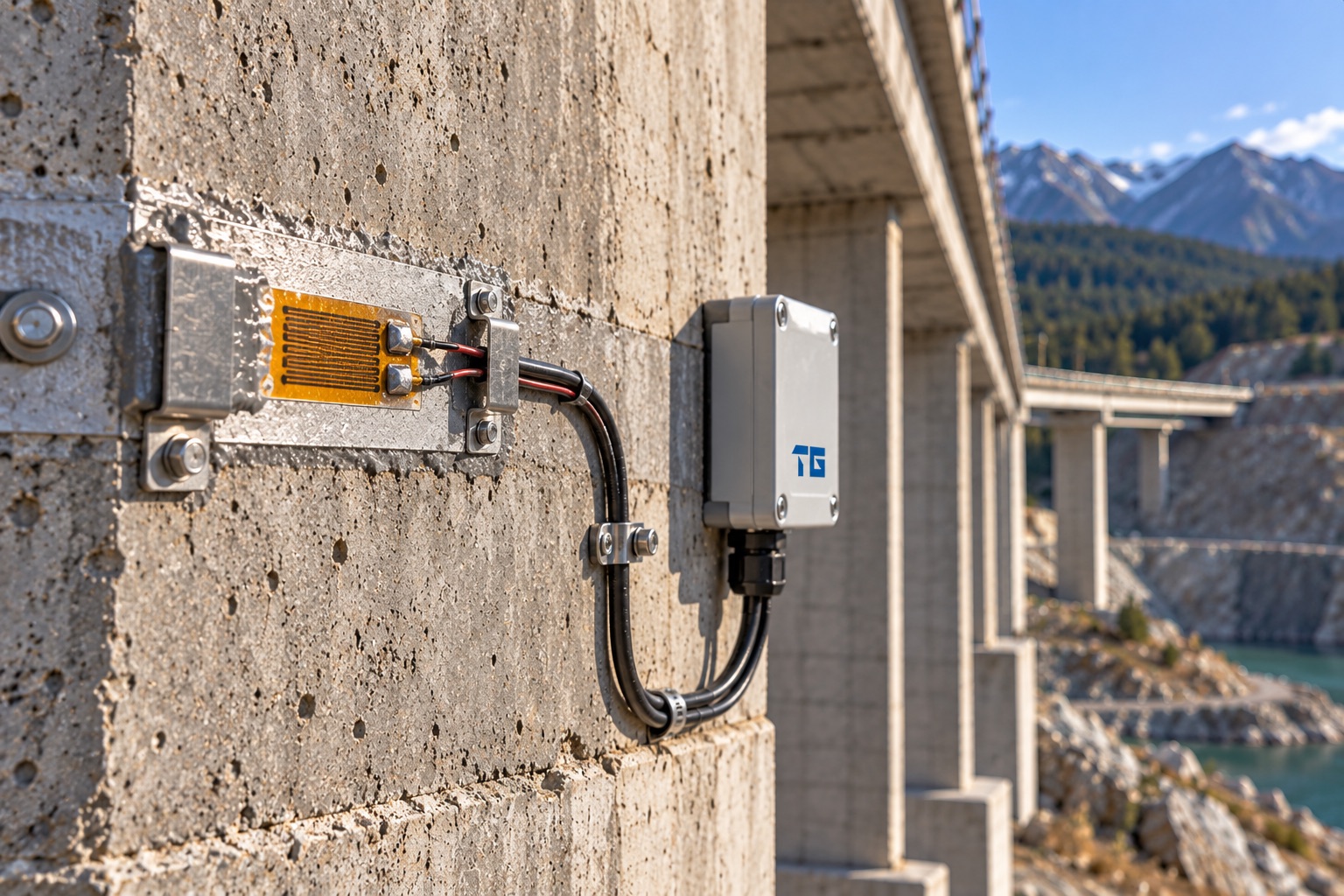
- Strain gauges: strain in beams, columns and foundations.
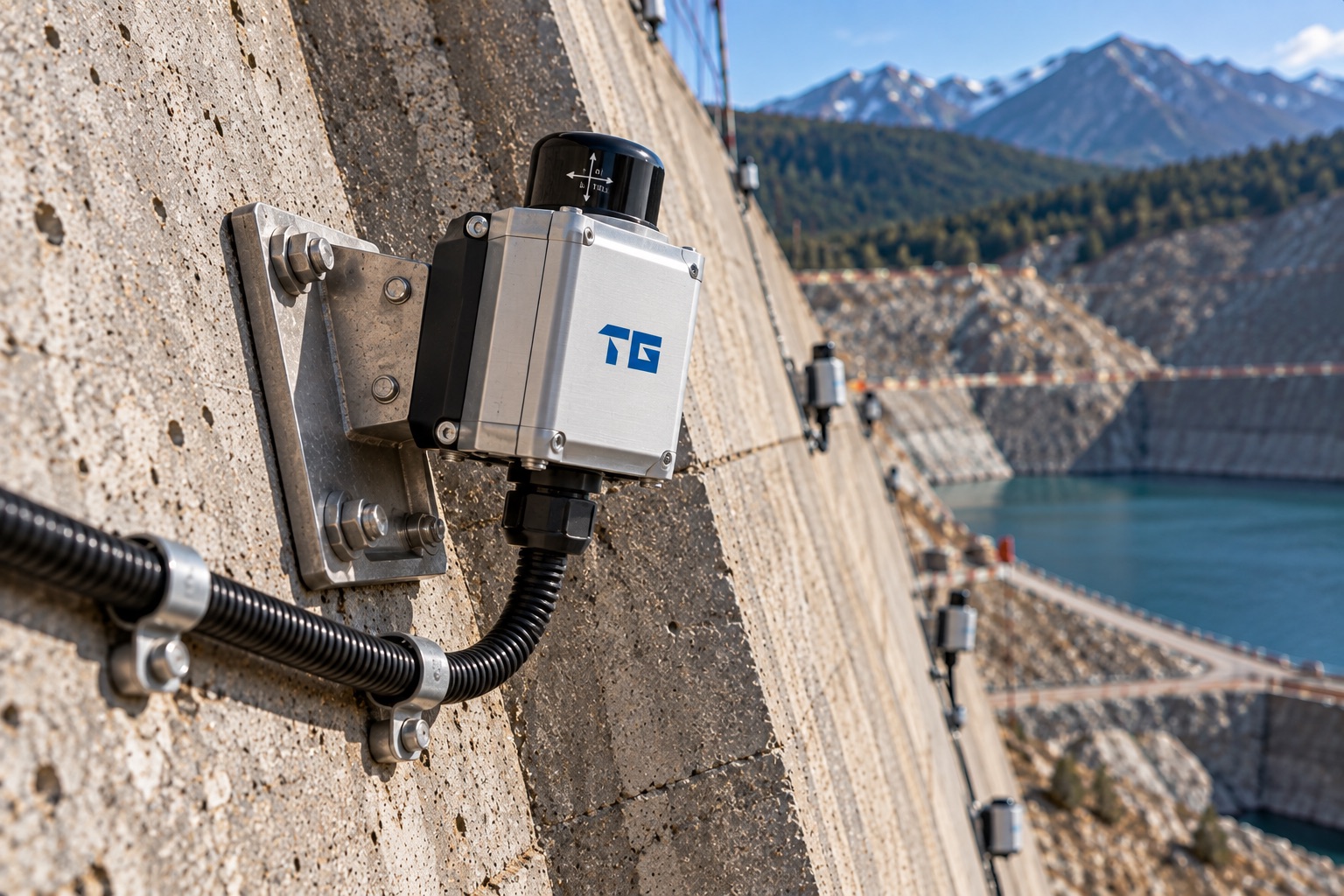
- Displacement sensors and tiltmeters: movement and tilting of walls and structural elements.
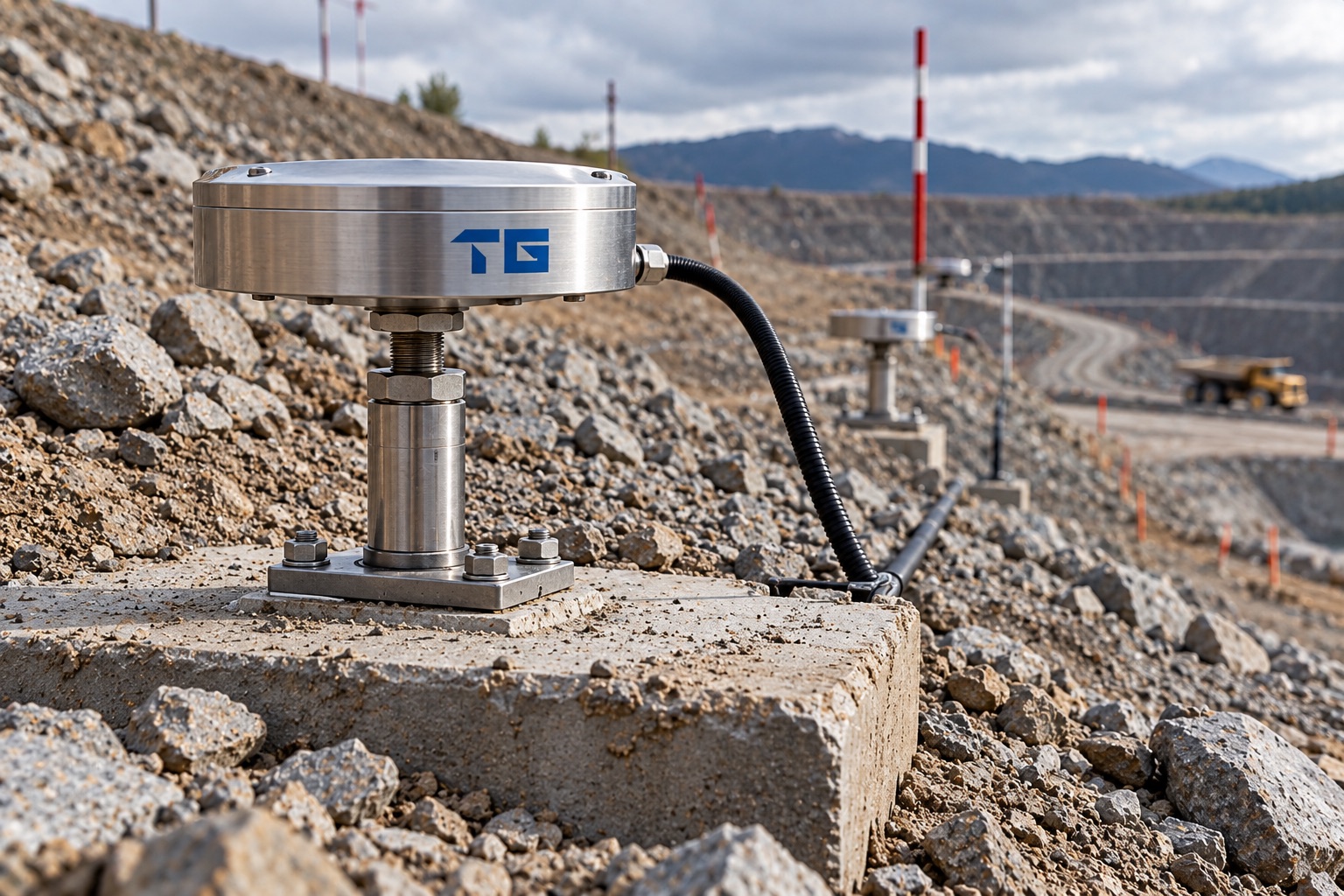
- Settlement gauges: vertical movement of foundation elements.
- Piezometers and pressure cells: pore-water pressure and pressure on foundations.
- Inclinometers and extensometers: movement of surrounding soil or rock.
- Accelerometers, vibration and seismic sensors: dynamic loads and ground movement.
- Crack and acoustic emission sensors: crack formation and growth.
- Temperature and humidity sensors: thermal and moisture conditions in building materials.
- GNSS sensors and laser scanning: building position and 3D geometry.
- Flow meters: water flow in building systems where monitoring is required.
From the sensor to engineering review
-
01
Instrument
Sensors on structural elements and foundations, and in the surrounding ground.
-
02
Connect
Supported instruments can use wired, wireless or fiber-optic configurations, depending on the instrument, monitoring requirements and site conditions.
-
03
Review & alert
Readings are trended and compared against configurable thresholds at each stage of construction.
-
04
Digital twin
Sensor data can be incorporated into digital-twin views to help teams review asset conditions and changes over time.
Related services
Related products
Projects in this sector
Tell us about your asset and the monitoring objectives, and we can discuss relevant experience during scoping.