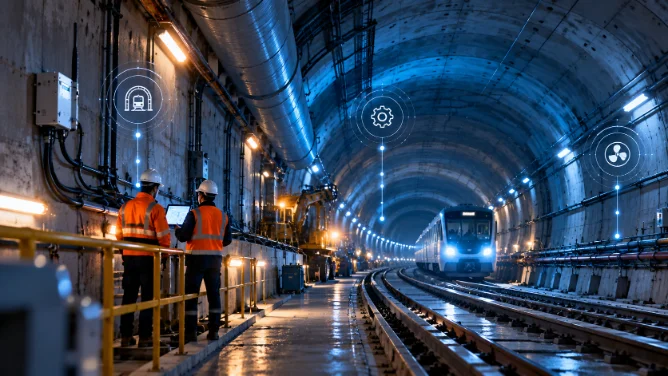
Lining, ground and groundwater monitoring underground
Strain, movement, pressure and groundwater data from tunnel linings and metro stations, helping teams review how underground structures respond to the ground around them.
What TestoGauge can monitor
Tunnel linings and metro structures carry load from the surrounding soil or rock and from trains and traffic. Instrumentation shows how linings, walls and supports respond, and how groundwater and underground conditions change.
- Tunnel linings: strain, pressure from surrounding soil or rock, and cracking.
- Walls, floors and supports: displacement and tilt of tunnel structures and metro stations.
- Dynamic loads: vibration from trains, traffic and seismic activity.
- Groundwater: flow around the tunnel and possible leakage.
- Underground environment: temperature, humidity, and flow in drainage and ventilation systems.
Laser scanning can record tunnel geometry over time, complementing readings from sensors at specific locations.
Relevant instrumentation
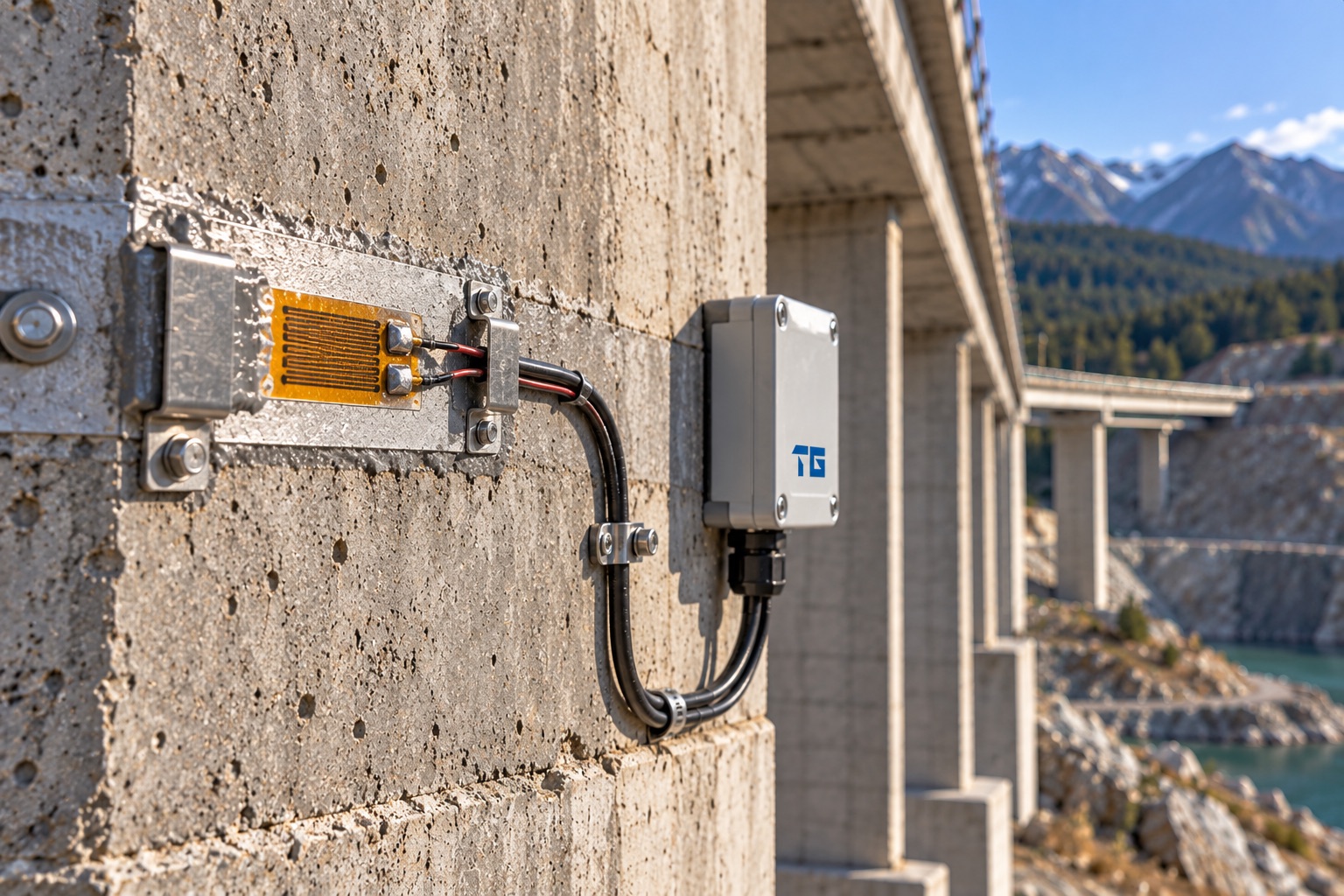
- Strain gauges: strain in tunnel linings and metro structures.
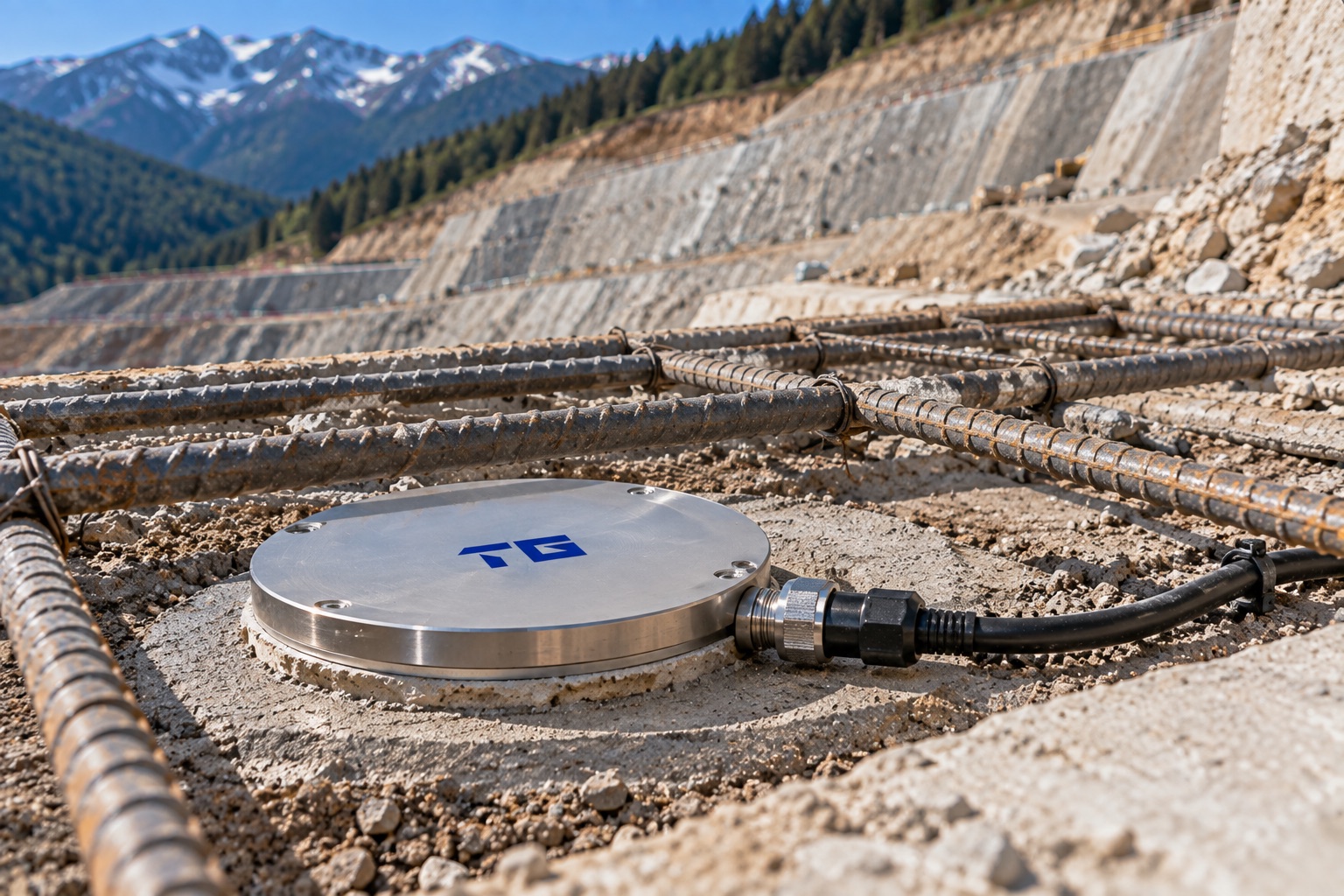
- Pressure cells: pressure from surrounding soil or rock on the lining.
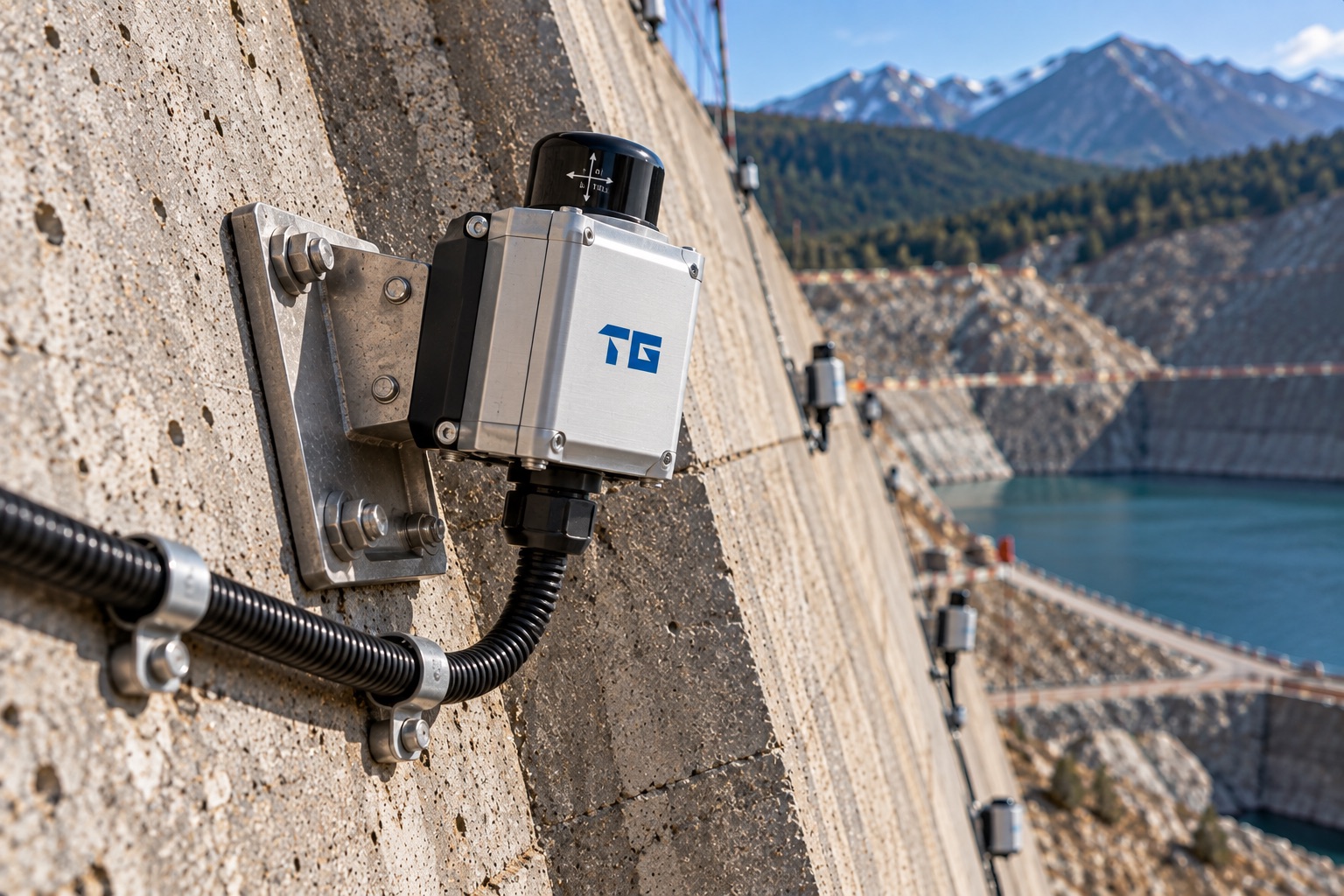
- Displacement sensors and tiltmeters: movement and tilting of walls, floors, supports and stations.
- Accelerometers: dynamic loads and vibration from trains, traffic and seismic activity.
- Groundwater flow sensors: groundwater flow and possible leakage around the tunnel.
- Crack and acoustic emission sensors: crack formation and growth in walls and components.
- Temperature and humidity sensors: thermal and moisture conditions underground.
- Flow meters: flow of water, gas or other fluids in drainage or ventilation systems.
- Laser scanning: 3D models of tunnel geometry.
From the sensor to engineering review
-
01
Instrument
Sensors on linings, walls, supports and station structures, placed according to the monitoring plan.
-
02
Connect
Supported instruments can use wired, wireless or fiber-optic configurations, depending on the instrument, monitoring requirements and site conditions.
-
03
Review & alert
Readings are visualized and compared against configurable thresholds, with notifications to the project team.
-
04
Digital twin
Monitoring data can be incorporated into digital-twin views to help teams review asset conditions and changes over time.
Related services
Related products
Projects in this sector
Tell us about your asset and the monitoring objectives, and we can discuss relevant experience during scoping.