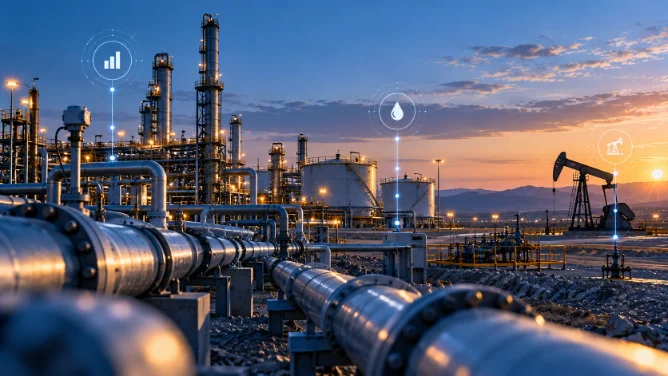
Pressure, flow and structural data from oil and gas facilities
Instrumentation for offshore platforms, subsea structures and oil and gas systems, bringing process and structural readings together for operations and engineering review.
What TestoGauge can monitor
Oil and gas assets operate under pressure, often in corrosive and remote environments. Instrumentation provides data on process conditions and on the structures and equipment that carry them.
- Offshore platforms: vibration from waves and equipment, structural strain, pressure in critical components, and corrosion of metal elements.
- Subsea structures: pressure at depth, vibration, strain and corrosion.
- Gas and fluid systems: pressure, temperature and flow measurements in process systems.
For the pipelines that connect these facilities, see Pipelines.
Relevant instrumentation
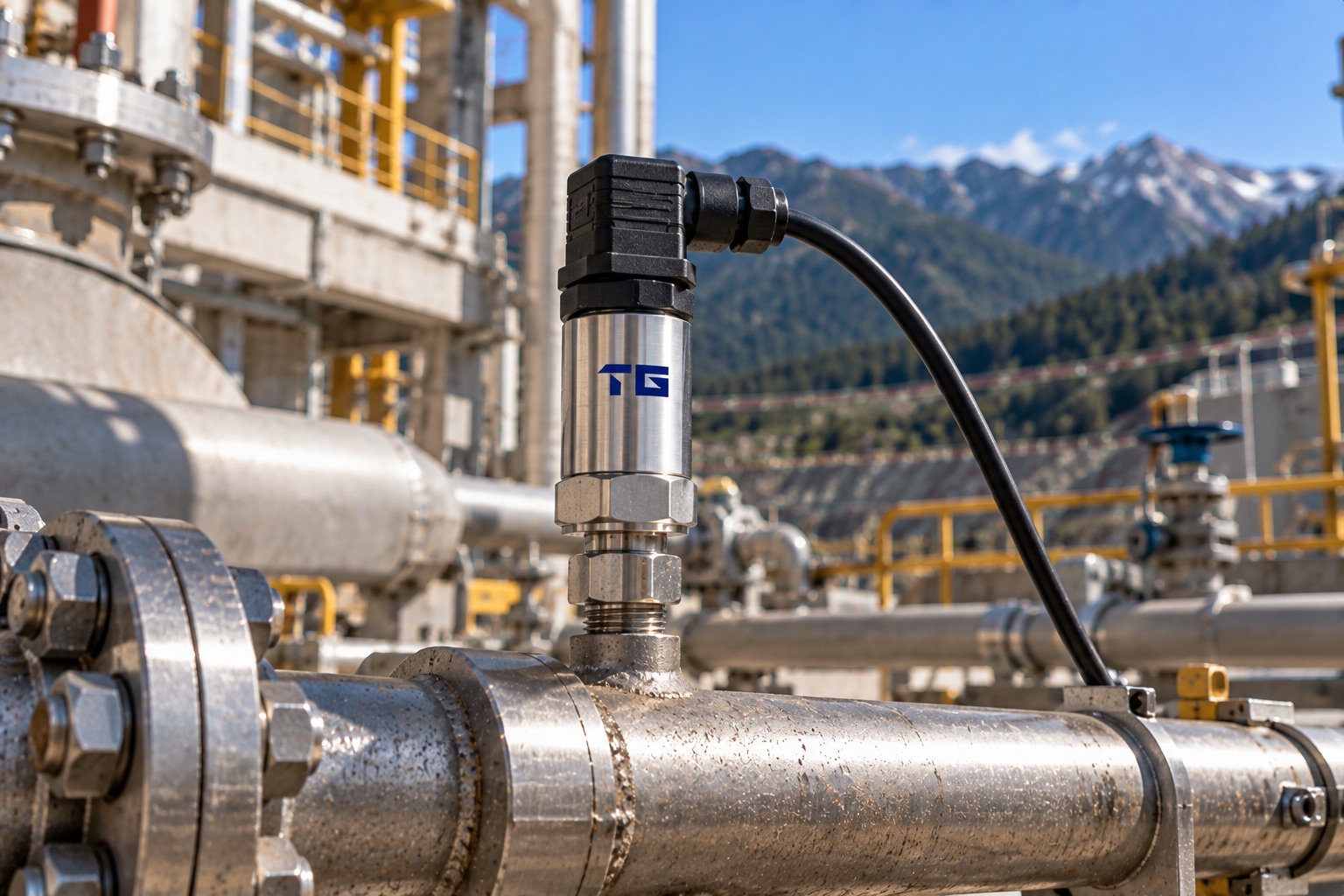
- Pressure sensors and transducers: pressure in process systems, tanks and subsea components.
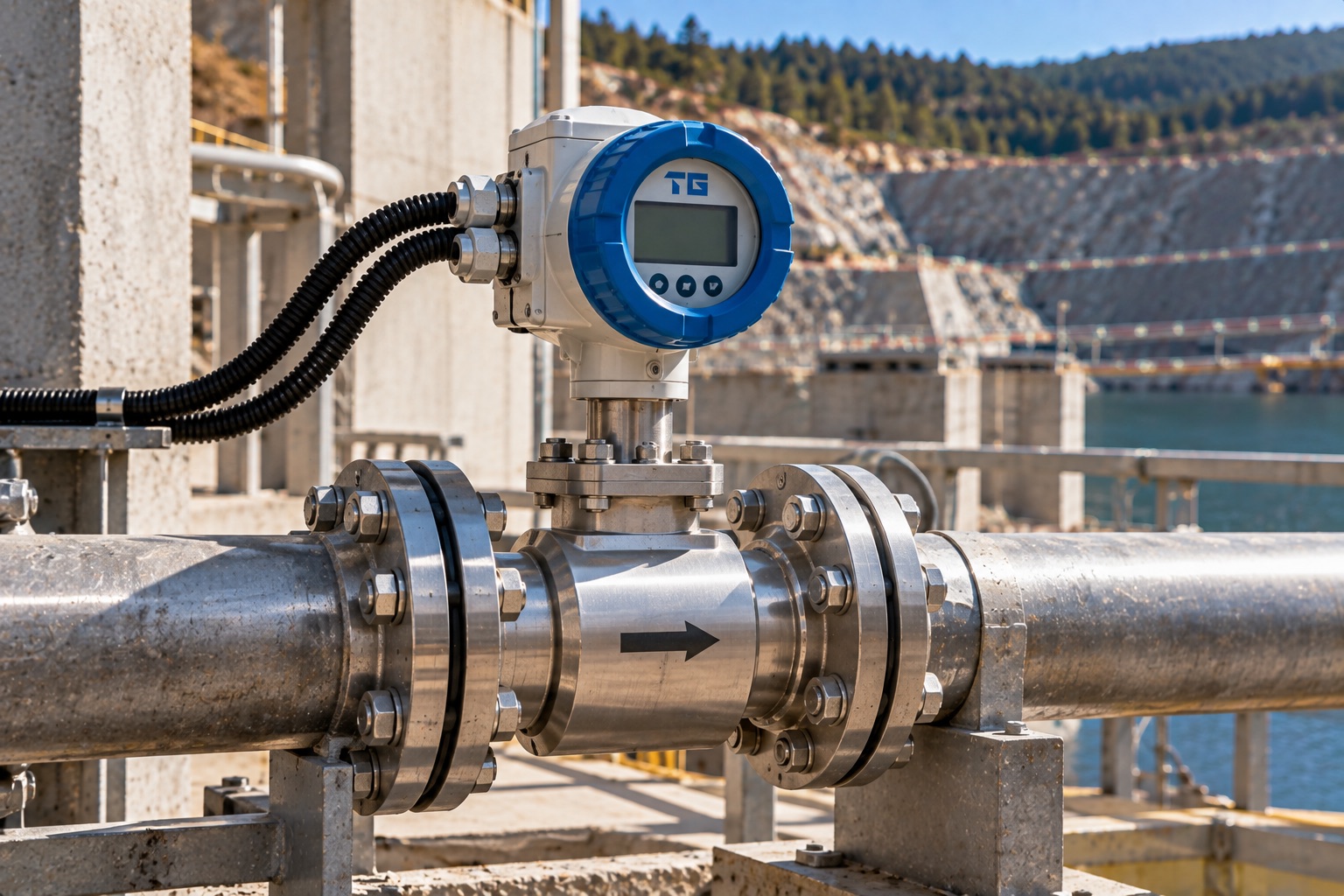
- Flow meters: flow measurements in oil, gas and other fluid systems.
- Temperature sensors: temperature in lines and process equipment.
- Accelerometers: vibration from waves and equipment on platforms and subsea structures.
- Strain gauges: strain and deformation in platform and subsea structures.
- Corrosion monitoring sensors: degradation of metal components exposed to seawater.
From the sensor to engineering review
-
01
Instrument
Process and structural sensors on platforms, subsea structures and equipment.
-
02
Connect
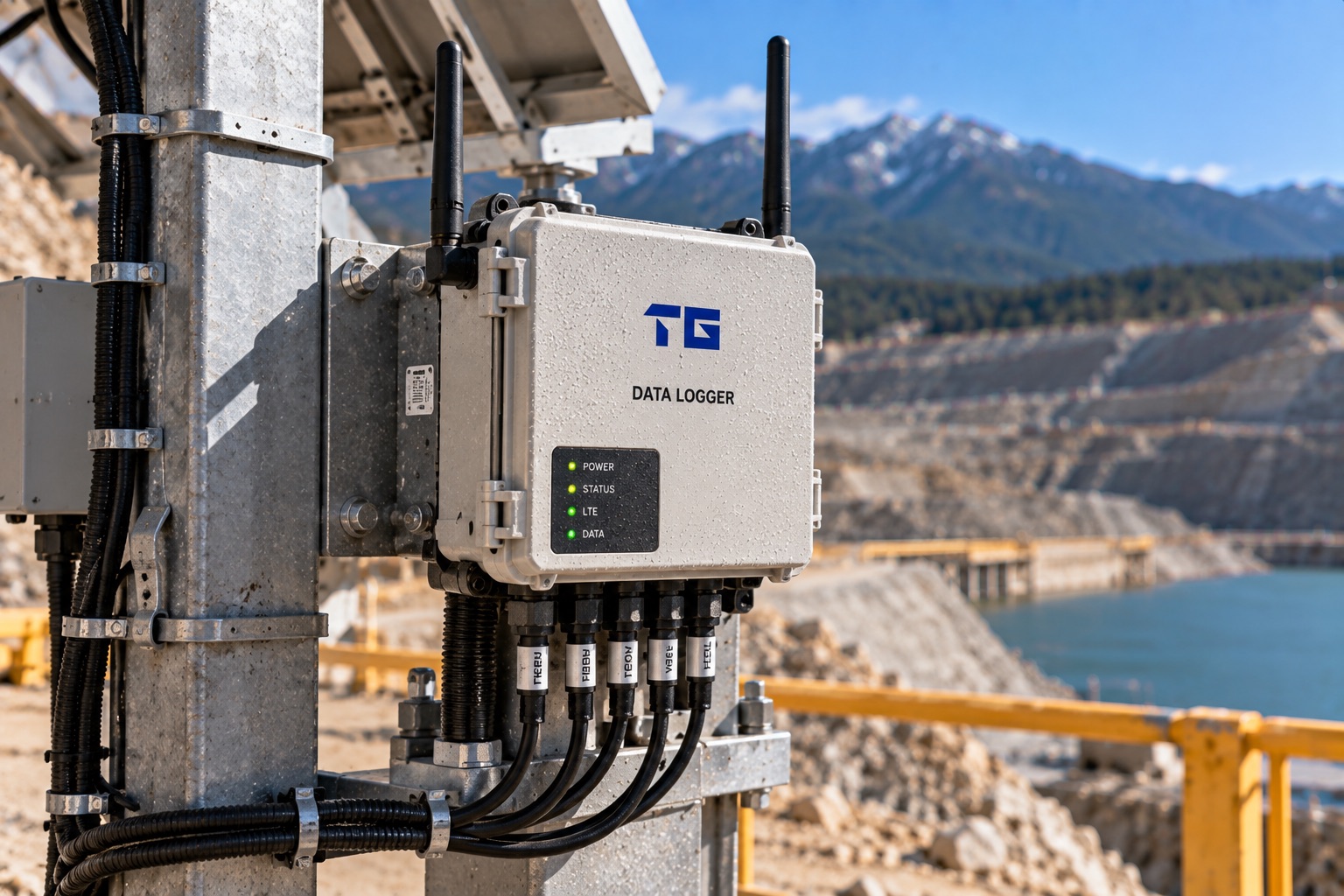
Supported instruments can use wired, wireless or fiber-optic configurations, depending on the instrument, monitoring requirements and site conditions.
-
03
Review & alert
Process and structural readings are trended and compared against configurable thresholds.
-
04
Digital twin
Monitoring data can be incorporated into digital-twin views to help teams review facility conditions and changes over time.
Related services
Related products
Projects in this sector
Tell us about your asset and the monitoring objectives, and we can discuss relevant experience during scoping.