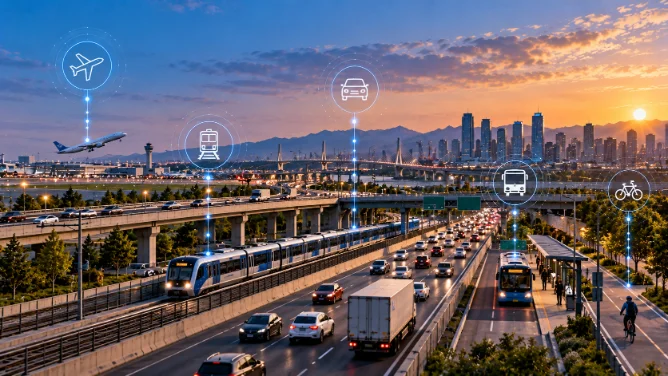
Network-wide monitoring for roads, bridges, tunnels and rail
A broad monitoring approach for transport networks, combining structural, geotechnical, load and traffic data across many asset types.
What TestoGauge can monitor
Transport networks combine many asset types along long corridors. This page covers monitoring across the network as a whole; dedicated pages go deeper into individual asset classes.
- Roads and highways: strain, pressure in road substructures, displacement and temperature.
- Slopes along highways: movement and deformation of soil or rock.
- Loads and traffic: vehicle loads on bridges and roadways, and traffic flow and volume.
- Network-scale movement: geospatial positioning and distributed fiber-optic sensing over long stretches.
- Environment and systems: air quality, moisture and wind, drainage flow, and lighting, ventilation and power systems.
For asset-specific monitoring, see Bridges, Tunnels & Metro and Rail.
Relevant instrumentation
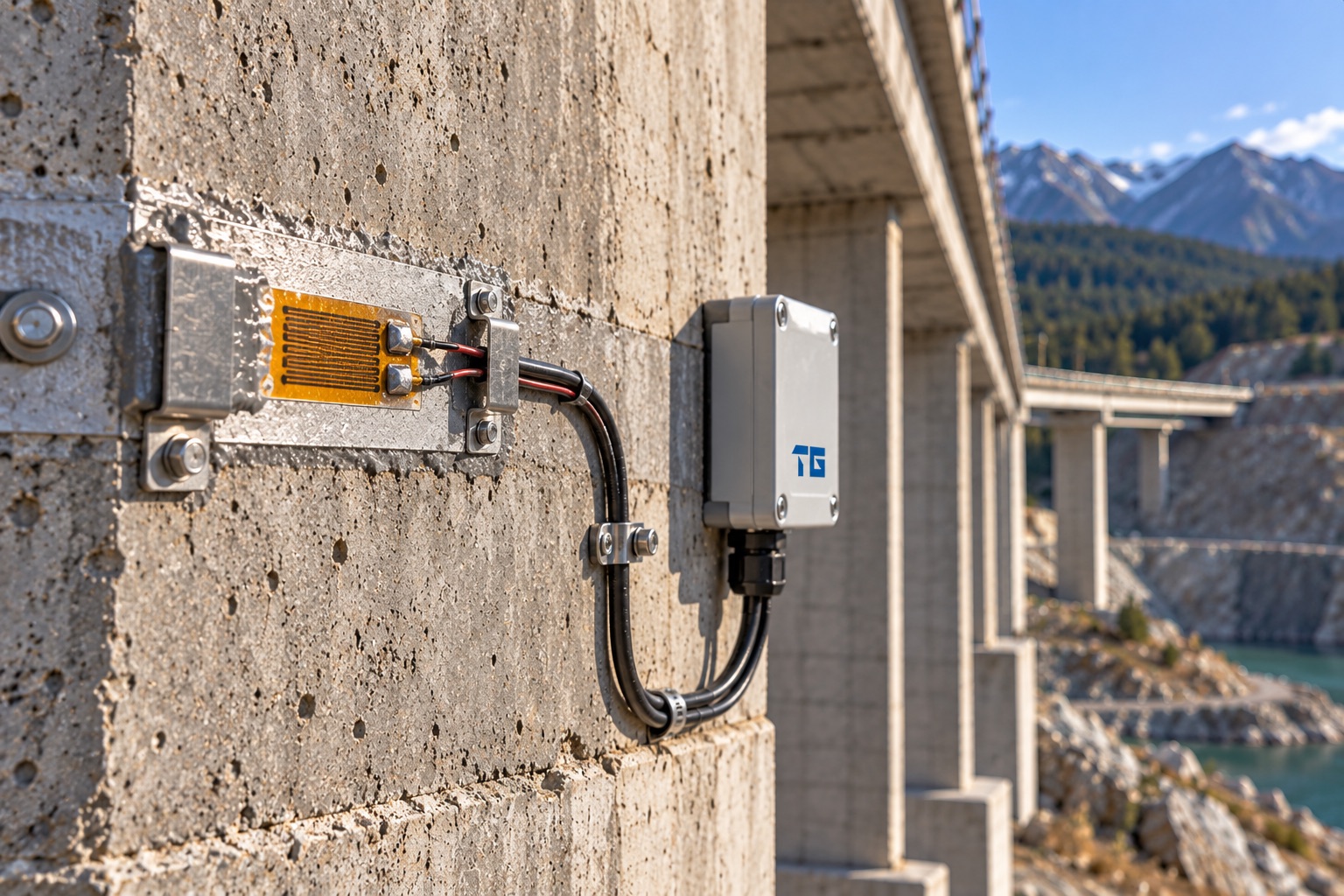
- Strain gauges and distributed fiber-optic sensors: strain at points and over long stretches.
- Displacement sensors and pressure transducers: movement and pressure in supports and road substructures.
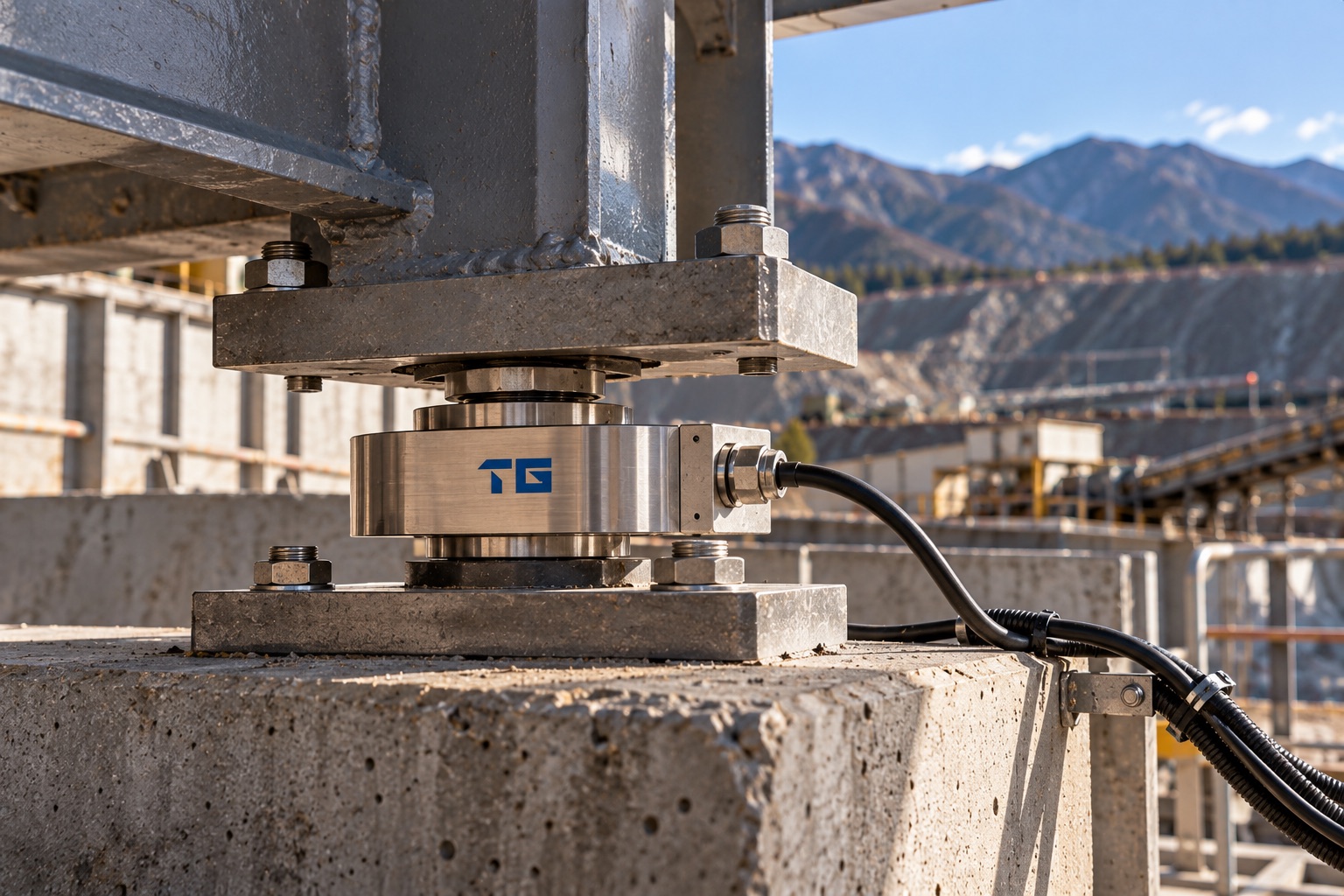
- Load cells and vehicle load sensors: load measurements from vehicles crossing bridges and roadways, providing data for review against applicable load criteria.
- Traffic monitoring sensors: traffic flow and volume.
- Vibration, seismic and acoustic emission sensors: dynamic response, ground movement and signals associated with cracking.
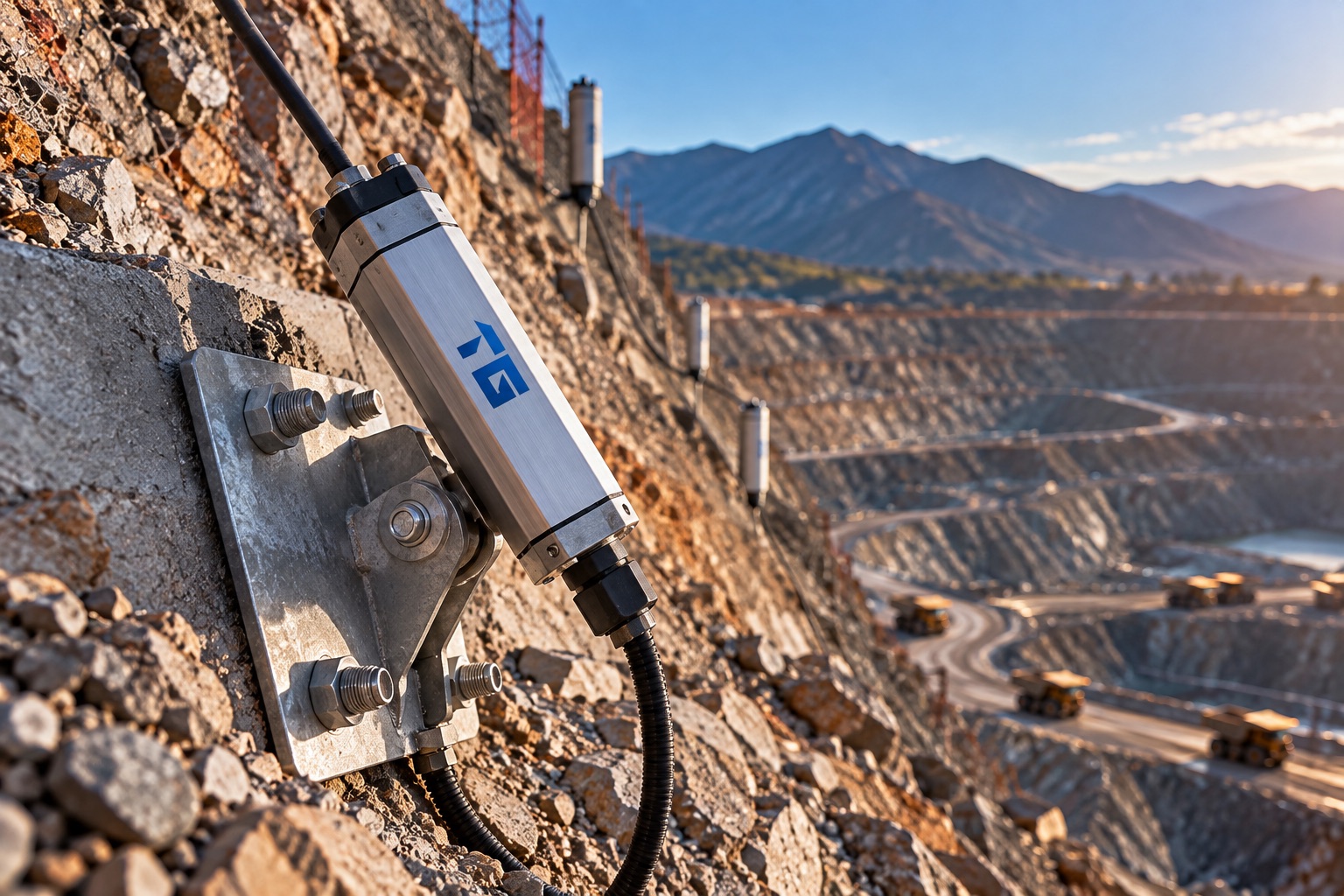
- Inclinometers and extensometers: movement of slopes and surrounding ground.
- GPS/GNSS and laser scanning: position and geometry of infrastructure.
- Environmental sensors, flow meters and energy monitoring: environmental conditions, drainage, and lighting, ventilation and power systems.
From the sensor to engineering review
-
01
Instrument
Sensors selected for each asset type along the corridor.
-
02
Connect
Supported instruments can use wired, wireless or fiber-optic configurations, depending on the instrument, monitoring requirements and site conditions. Distributed fiber-optic sensing can provide strain data over long stretches of infrastructure.
-
03
Review & alert
Data from different assets is viewed by location, with configurable thresholds.
-
04
Digital twin
Monitoring data can be incorporated into digital-twin views to help teams review transportation infrastructure conditions and changes across the network.
Related products
Projects in this sector
Tell us about your asset and the monitoring objectives, and we can discuss relevant experience during scoping.